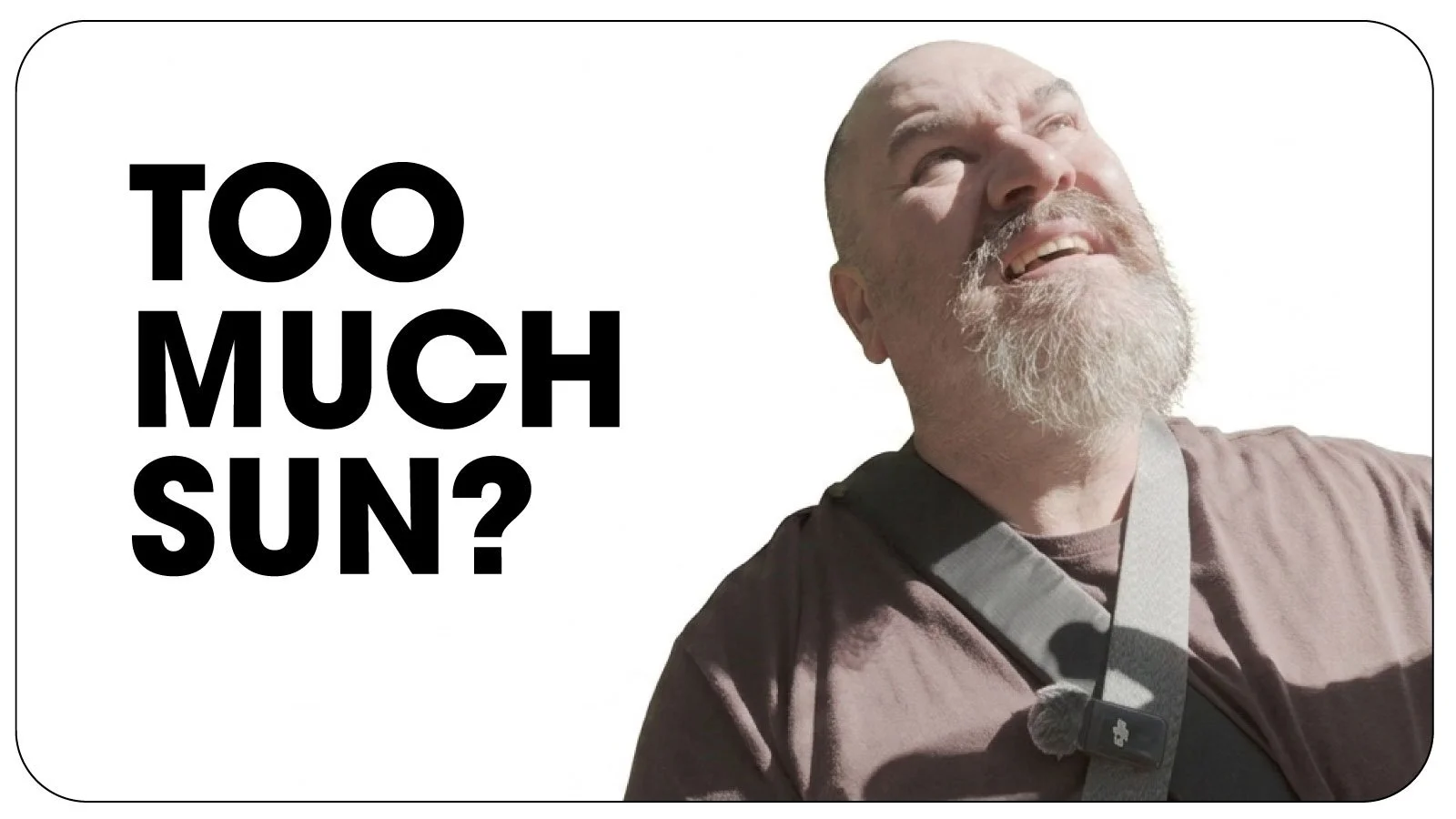
Join me for a couple of days in the forest. The drive down was its own story, low cloud clinging to the valleys, the kind of conditions that make you start planning shots in your head before you've even parked the car. Moody skies, diffused light, maybe a bit of mist hanging in the canopy. That's the dream, isn't it?
Then I stepped out into the Royal Forest of Dean to nothing but blue skies. Not a cloud in sight. The kind of hard, flat, cloudless light that most photographers dread and plan their entire shoot around avoiding.
The idea that you can't shoot in full sun is something I hear constantly, wait for golden hour, wait for cloud cover, come back another day. And sure, soft light is easier. But easier isn't the same as better, and there's a lot to be gained from staying put and working with what you're given. Time, patience, and a bit of thought about how you actually approach a photograph can turn harsh light from a problem into a tool.
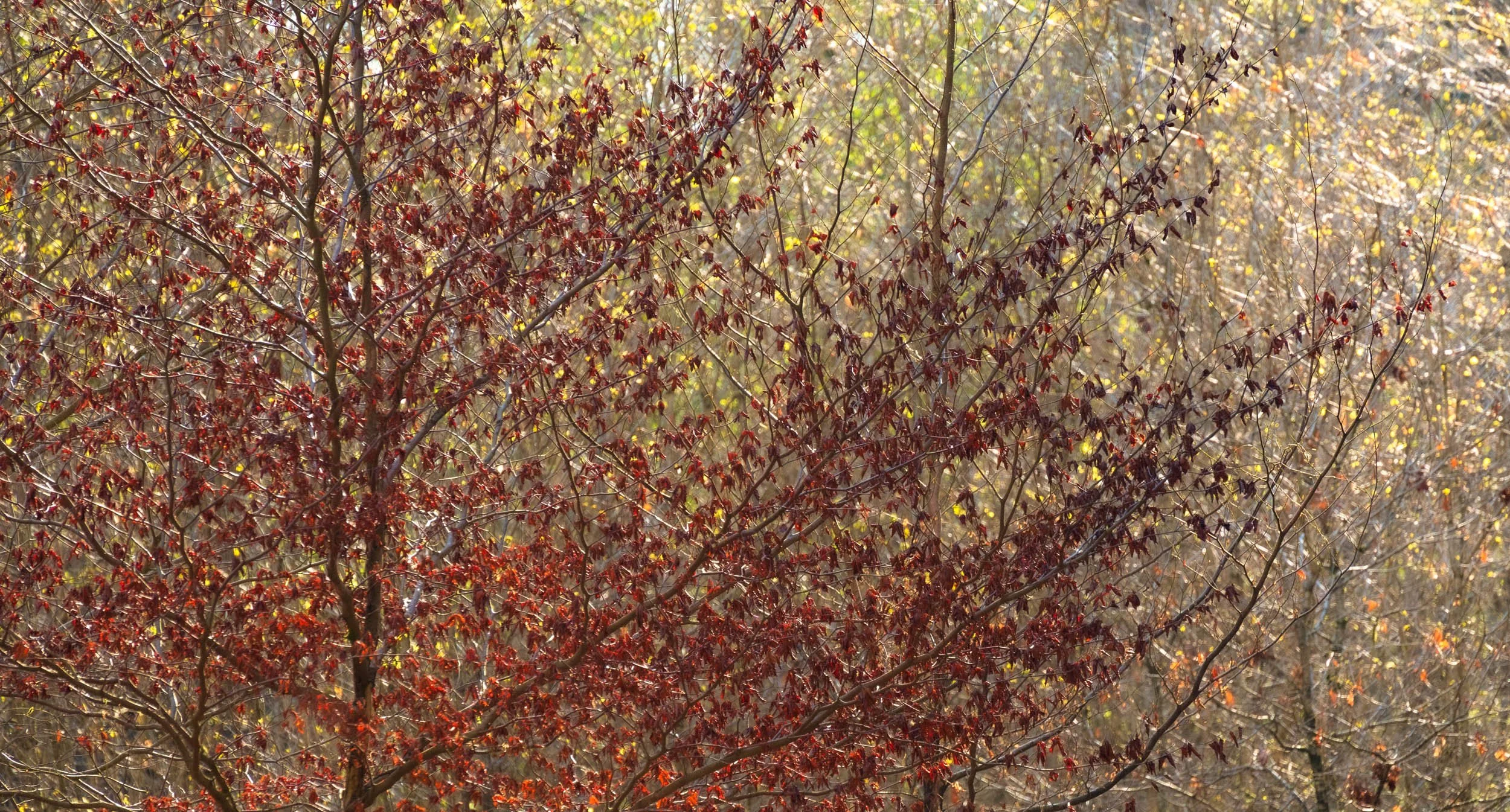
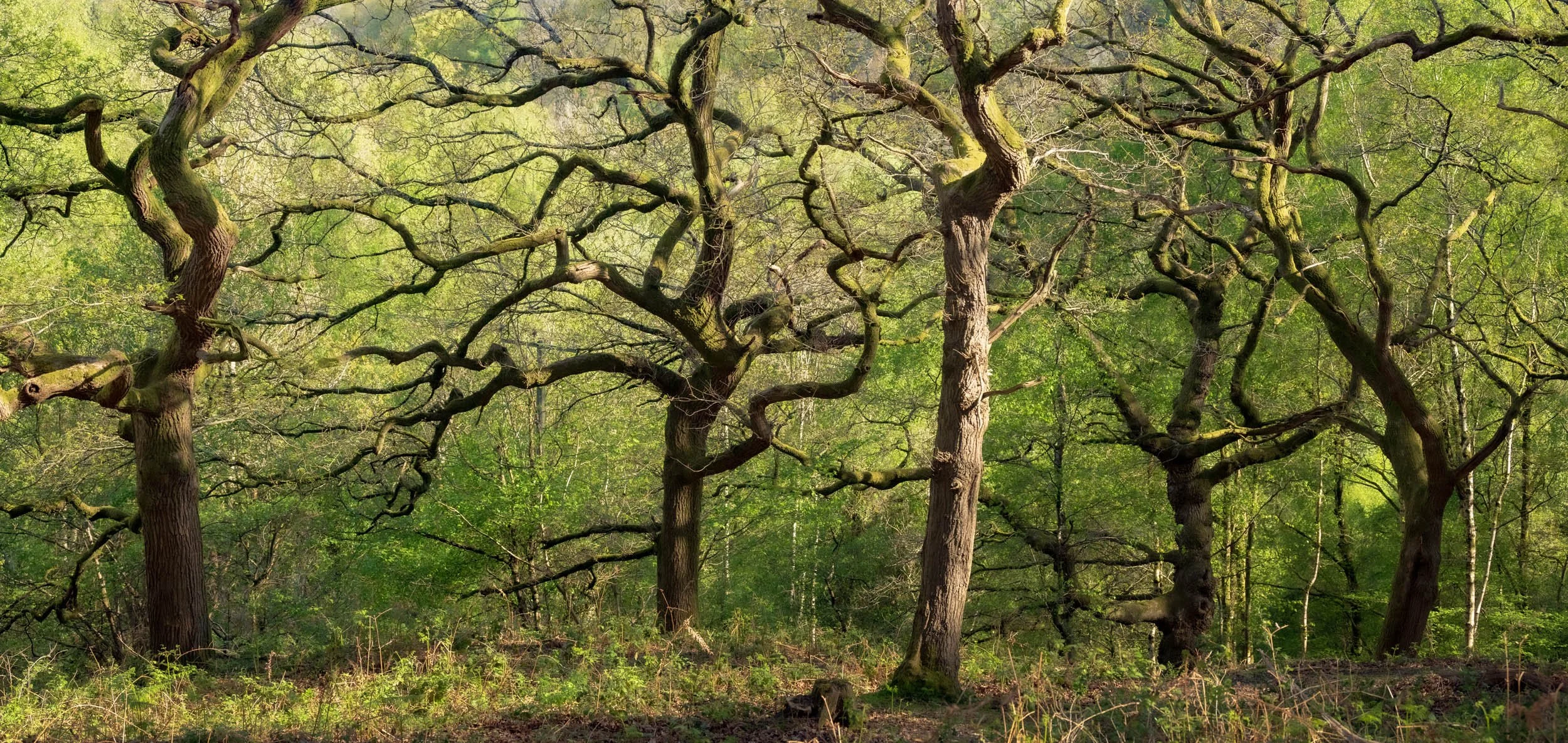
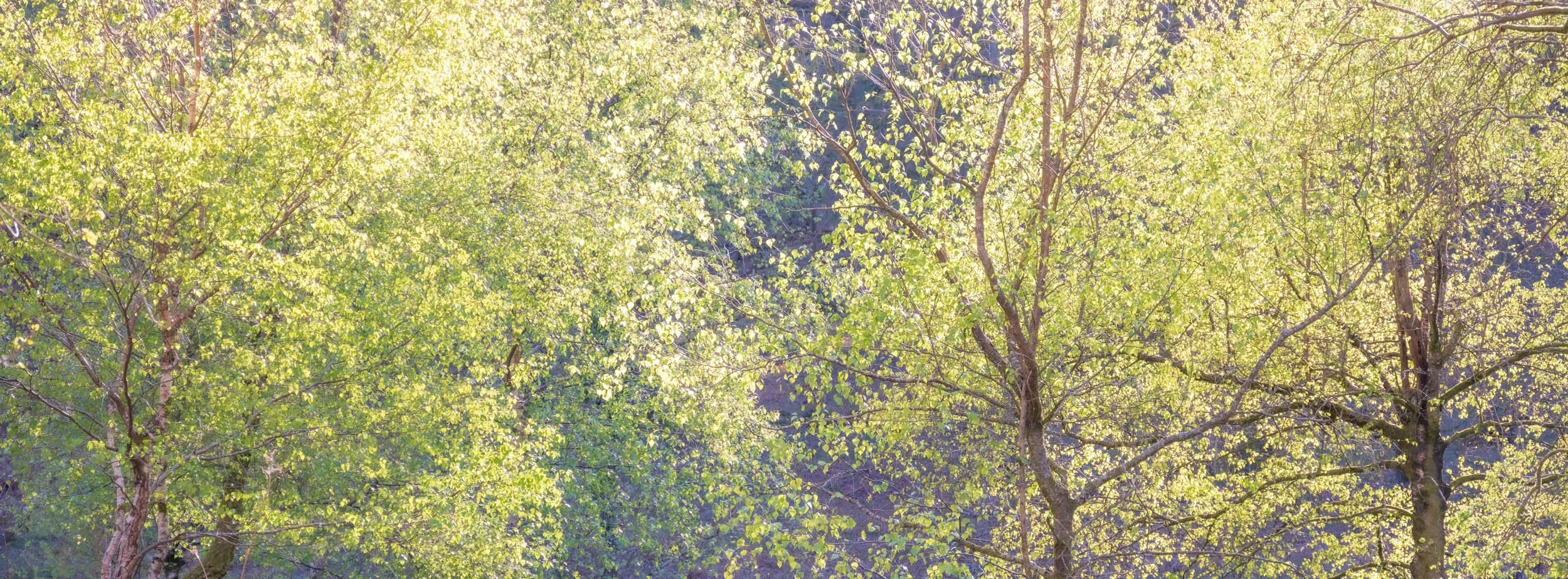
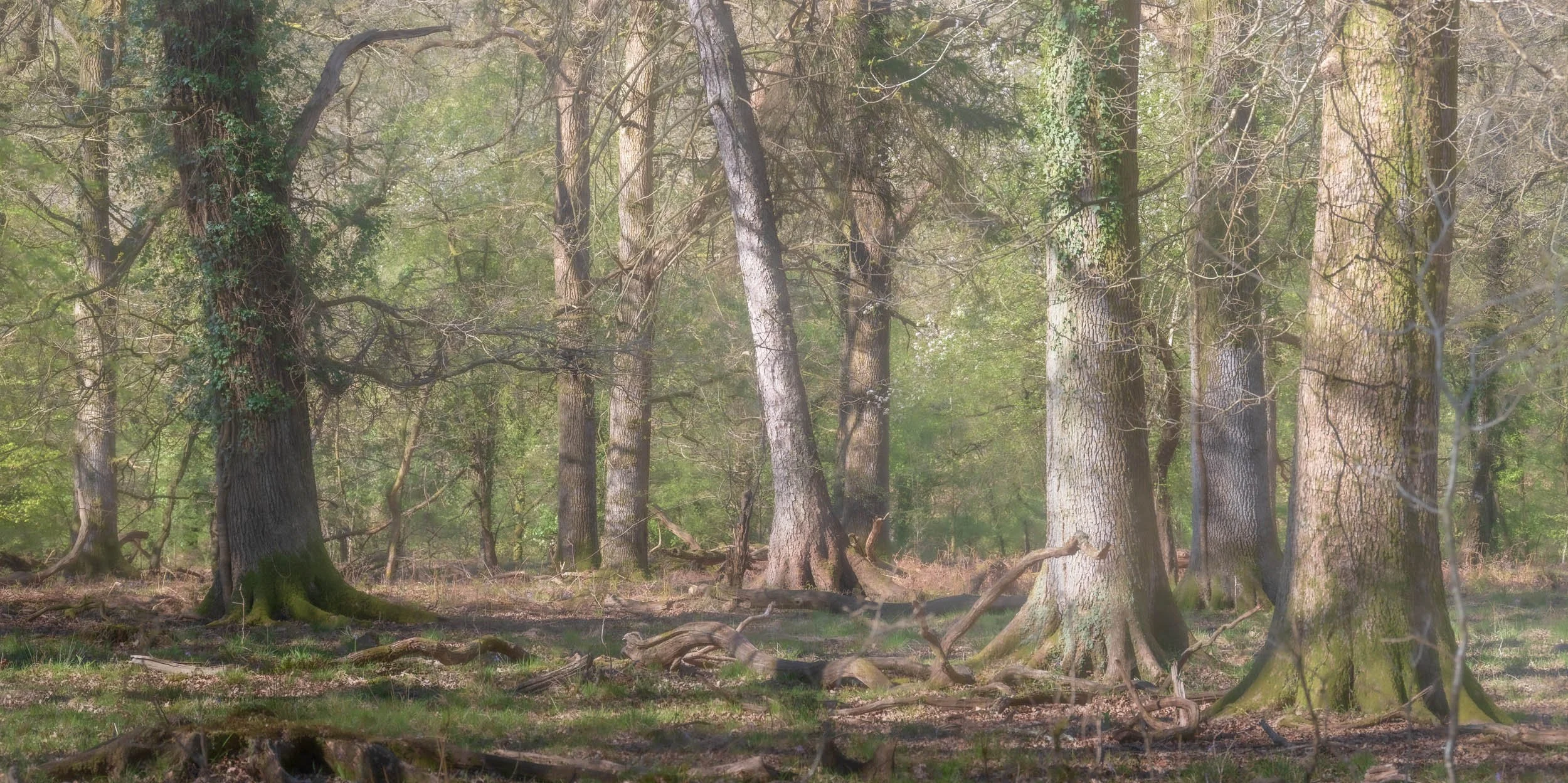
Once the sun was properly up, the forest became a lesson in contrast management. Dappled light through the canopy was throwing hard-edged highlights onto the woodland floor, with shadow detail dropping fast, the kind of dynamic range that will clip your highlights or block up your shadows if you're not paying attention to where you meter. I found myself leanbing into the light, sometimes exposing over or using the direction to lift the scene, giving it romance and a beautiful aesthetic.
Rather than fighting the light, I started using it. Backlighting through the trees turned into rim light on bracken and moss, and shooting into the sun with a longer lens let me use trunks and branches to flag the flare, controlling it rather than eliminating it.
Polarising filters did earn their keep elsewhere, though — cutting glare off waxy leaves and wet bark, and deepening the green and blue sky where it broke through gaps in the trees, without crushing the greens the way an ND might have.
None of this happened by accident. It came from slowing down, reading the light instead of resenting it, and asking what the sun was actually doing rather than what I wished it was doing. Harsh light forces discipline, precise metering, deliberate composition, real thought about where the sun sits relative to your subject. Overcast days let you get away with more. These are the days that actually make you a better photographer.
Drop me your thoughts down below? Thank you for reading and taking a look. Do photography your way…